© 2026 Rentokil Initial plc and subject to the conditions in the legal statement.
Termites may be small, but the damage they cause can be significant. They feed on wood and other cellulose-based materials and can remain hidden inside walls, floors, furniture, and other structural areas for long periods before visible signs appear.
If you have noticed mud tubes, hollow-sounding wood, discarded wings, termite droppings, or damaged wooden furniture, you may be dealing with a termite infestation.
So, how do you get rid of termites effectively?
The most reliable approach is to identify the type and extent of infestation, locate termite activity, eliminate conditions that support termites, and use an appropriate professional treatment. While some home remedies may provide temporary relief, an established infestation often requires professional termite control.
In this guide, we explain how to identify termites, what attracts them, the most effective termite-control methods, and when you should contact a professional pest-control company.
What Are Termites?
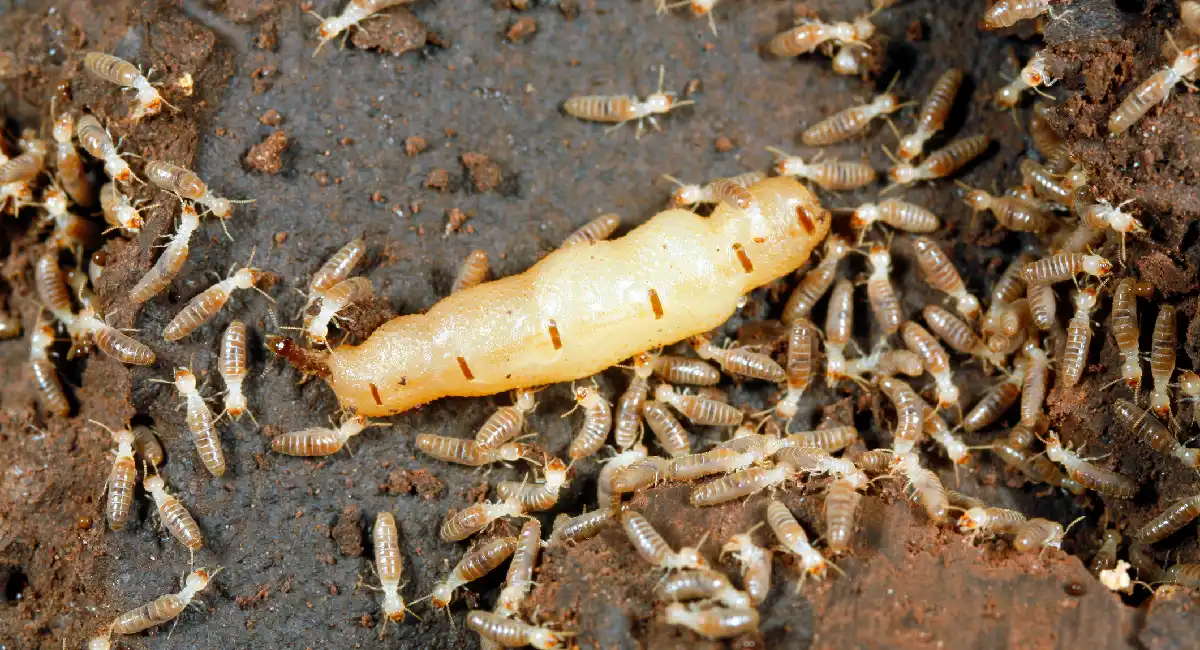
Termites are social insects that live in colonies and primarily feed on cellulose, which is found in materials such as wood, cardboard, paper, and other plant-based materials.
Unlike many household pests, termites can remain hidden for months or even years while causing damage inside wooden structures.
Common termite types include:
1. Subterranean Termites
These termites usually live in soil and can enter buildings through foundations, cracks, utility openings, and other concealed routes. They may build mud tubes to travel between their colony and food source.
2. Drywood Termites
Drywood termites can infest dry wooden structures and furniture. Unlike subterranean termites, they do not necessarily require contact with soil.
3. Dampwood Termites
Dampwood termites generally prefer wood with high moisture levels. They can be associated with areas affected by leaks, dampness, or poor drainage.
Identifying the type of termite is important because different termite species may require different treatment approaches.
How to Know If You Have Termites
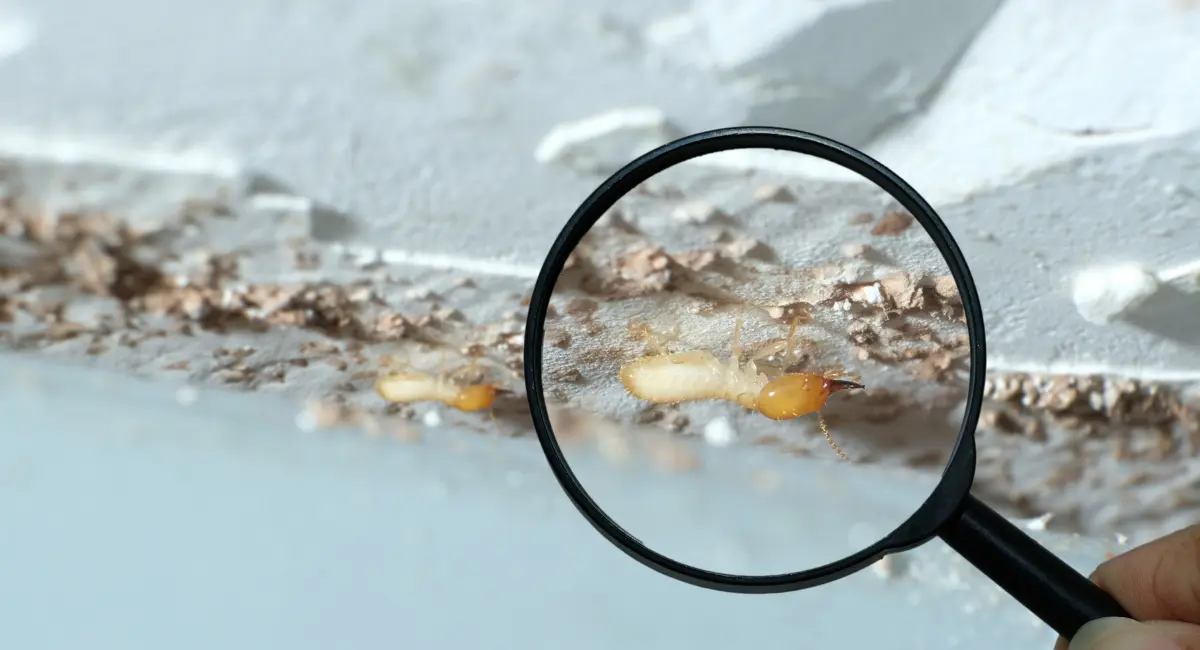
Before deciding how to get rid of termites, you need to determine whether termites are actually present. Look for these common warning signs:
🪵 1. Hollow-Sounding Wood
Tap wooden doors, frames, floors, or furniture. Wood damaged internally by termites may sound hollow.
🟤 2. Mud Tubes
Subterranean termites often construct narrow mud tubes along walls, foundations, pipes, or other structures.
These tubes provide termites with a protected route between their colony and food source.
🪽 3. Discarded Wings
After reproductive termites swarm, they may leave their wings behind.
Finding piles of discarded wings near windows, doors, lights, or other areas can indicate termite activity.
🚪 4. Damaged Doors and Windows
Termite damage can cause wooden doors, windows, frames, or cabinets to become weak or difficult to open and close.
💩 5. Termite Droppings
Some termite species push small pellets out of tiny openings in infested wood. These may look like small piles of sawdust or sand.
🏠 6. Cracked or Damaged Wood
Visible cracks, blistering, peeling surfaces, or unusual damage to wooden structures may indicate an infestation.
Important: Not every sign of wood damage means termites are present. A professional inspection can help determine the actual cause.
How to Get Rid of Termites
The most effective termite-control strategy depends on the termite species, location, colony size, and level of damage.
Here are the key steps.
1. Identify the Source of the Infestation
The first step is finding where termites are coming from and where they are active.
For example, subterranean termites may be entering through soil around the foundation, while drywood termites may already be established inside wooden structures.
A professional inspection can help identify:
- Areas of active termite activity
- Entry points
- Damaged wood
- Moisture problems
- Potential nesting or colony locations
- Conditions that may encourage future infestation
2. Remove Moisture Problems
Moisture can create favorable conditions for certain termite species and other wood-destroying pests.
Check for:
- Leaking pipes
- Roof leaks
- Poor drainage
- Damp walls
- Water accumulation near foundations
- Leaking air-conditioning systems
- Excess moisture around wooden structures
Repairing moisture problems can help reduce conditions that support termite activity.
3. Eliminate Wood-to-Soil Contact
Wood that directly contacts soil can provide termites with an easy route into a building.
Where practical, maintain appropriate separation between soil and wooden structural elements.
Also check areas around:
- Wooden fences
- Garden structures
- Door frames
- Foundations
- Wooden storage areas
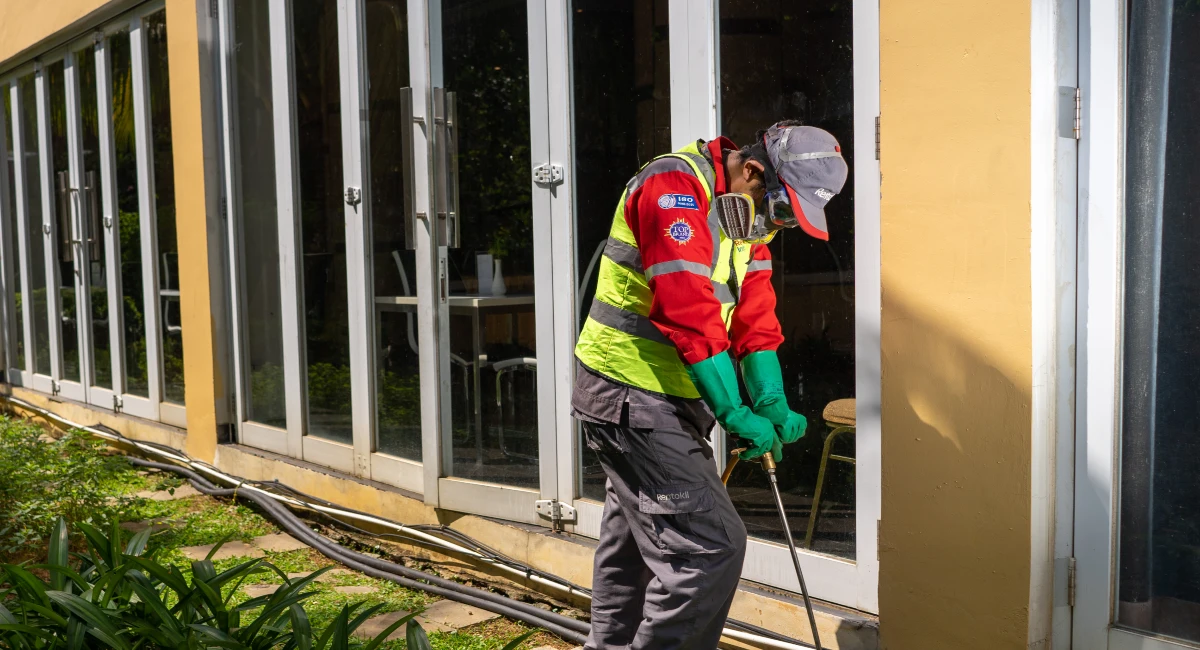
4. Use Professional Termite Treatment
For an established infestation, professional treatment is often the most effective solution.
Depending on the situation, termite management may involve approaches such as:
Liquid Termiticides
Liquid termite treatments can create treated zones around or within structures, depending on the application method and site conditions.
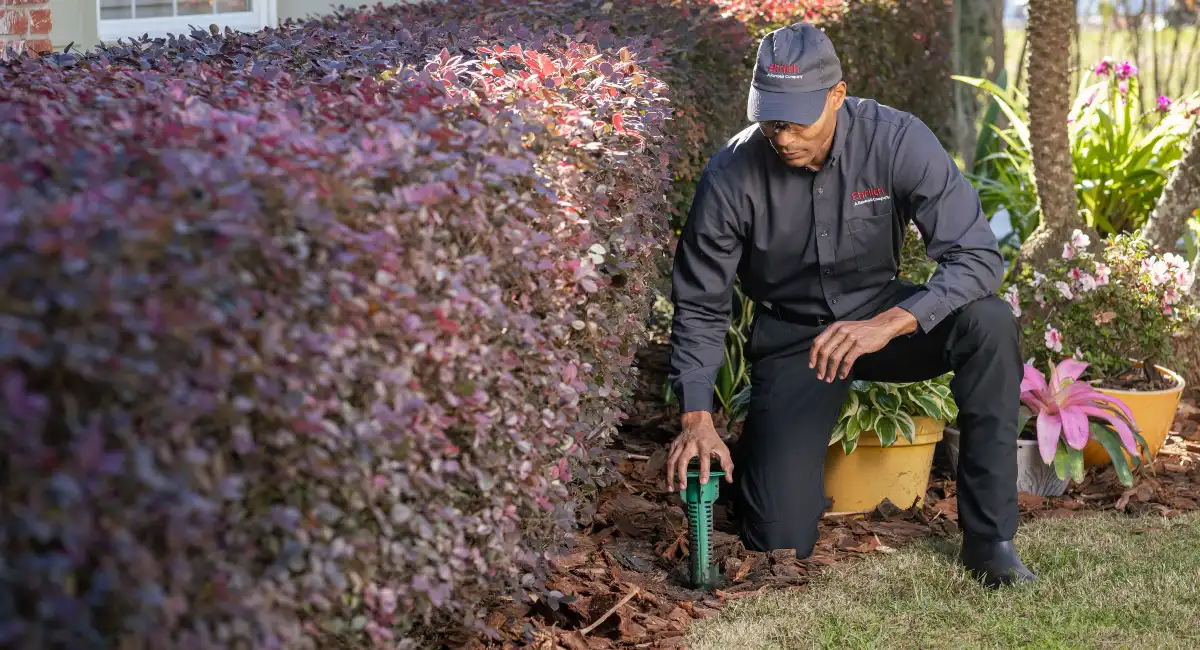
Termite Baiting Systems
Bait systems use termite-active bait to target termite workers. The goal is to transfer the bait through the colony and reduce or eliminate the colony over time.
Localized Wood Treatment
Where appropriate, infested wooden areas may receive targeted treatment.
Soil Treatment
For subterranean termites, treatment of soil around relevant structural areas may be part of an integrated termite-management program.
The correct treatment should be selected after assessing the property rather than applying the same method to every infestation.
Can You Get Rid of Termites Yourself?
You may find many DIY termite-control tips online, including vinegar, essential oils, cardboard traps, or household insecticides.
However, these methods generally should not be considered a reliable solution for an established termite colony.
The biggest problem is that termites often remain hidden.
You may kill visible termites without addressing the colony or the routes through which termites are entering the property.
DIY measures may sometimes help with prevention or early detection, but professional inspection and treatment are recommended when there are signs of an established infestation.
How Long Does It Take to Get Rid of Termites?
There is no single timeframe that applies to every termite infestation.
Treatment time depends on factors such as:
- Type of termite
- Size of the colony
- Level of infestation
- Size and construction of the property
- Location of termite activity
- Treatment method used
- Environmental conditions
Some treatments can provide rapid control of accessible termite activity, while colony-based approaches such as baiting may require more time.
This is why a professional inspection is important before estimating the treatment timeline.
How to Prevent Termites From Coming Back
Getting rid of an infestation is only part of termite management. Prevention is equally important.
Keep the Property Dry
Repair leaks and address damp areas as soon as possible.
Improve Drainage
Make sure water does not continuously accumulate around the building foundation.
Inspect Wooden Structures
Regularly check doors, frames, cabinets, furniture, floors, and other wooden elements.
Keep Wood Away From Soil
Avoid unnecessary direct contact between untreated wood and soil.
Remove Wood Debris
Old wooden materials, cardboard, branches, and other cellulose-rich debris around the property can provide potential food sources.
Schedule Professional Inspections
Regular inspections can help identify termite activity before significant damage occurs.
Termite Treatment vs. Termite Prevention
These two approaches are related but different.
| Termite Treatment | Termite Prevention |
|---|---|
| Targets existing termite activity | Reduces conditions that attract termites |
| Used when infestation is detected | Used before or after an infestation |
| May involve chemical or bait-based solutions | Includes moisture management and structural precautions |
| Requires assessment of the infestation | Requires regular monitoring and maintenance |
The best termite-management strategy often combines inspection, treatment, monitoring, and prevention.
Why Professional Termite Control Matters
Termites are difficult to control because much of their activity can occur out of sight.
A professional pest-management provider can help with:
- Detailed inspection
- Identification of termite activity
- Assessment of risk areas
- Selection of an appropriate treatment strategy
- Targeted application
- Follow-up monitoring
- Preventive recommendations
Professional termite control is not simply about killing the termites you can see. The goal is to identify and manage the underlying infestation and reduce the risk of recurring activity.
Protect Your Property With C-Shine
If you suspect termites in your home or business, don't wait until visible damage becomes severe.
C-Shine Sustainable Solutions, part of Rentokil Initial, provides professional pest-management solutions designed to help protect residential and commercial properties from termite infestations.
Whether you have noticed mud tubes, damaged wood, discarded wings, or other signs of termite activity, a professional assessment can help determine the appropriate next step.
Don't Let Termites Damage What You've Built
Concerned about termites? Get your property professionally inspected and take action before the damage gets worse.
Contact C-Shine today for professional termite-control solutions.